CRIKit
machine learning
python
partial differential equations
automatic differentiation
tensorflow
jax
pytorch
gitlab ci
This project earned me much Python and automatic differentiation experience.
CRIKit (2019-2023)
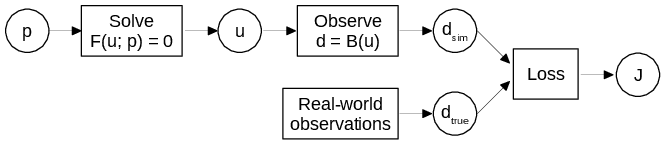
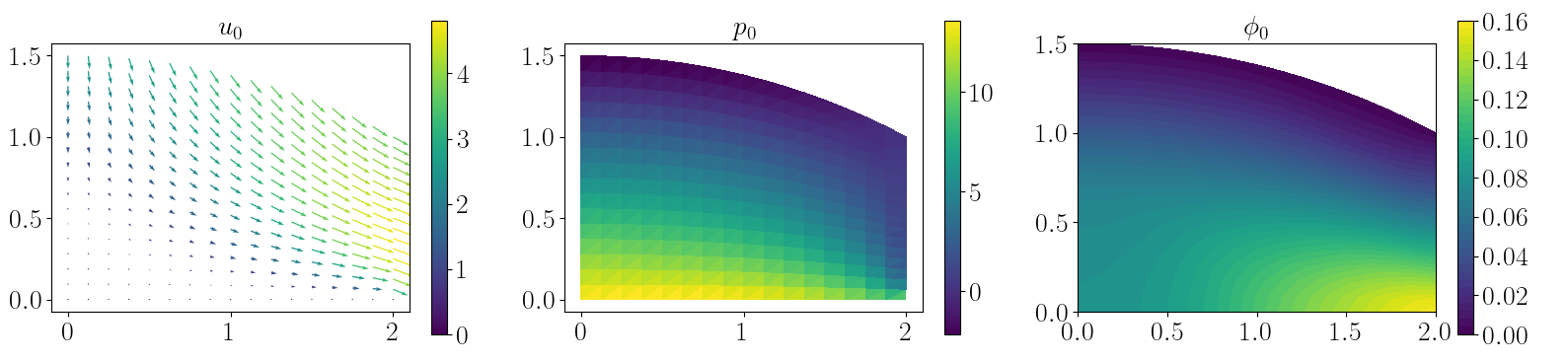
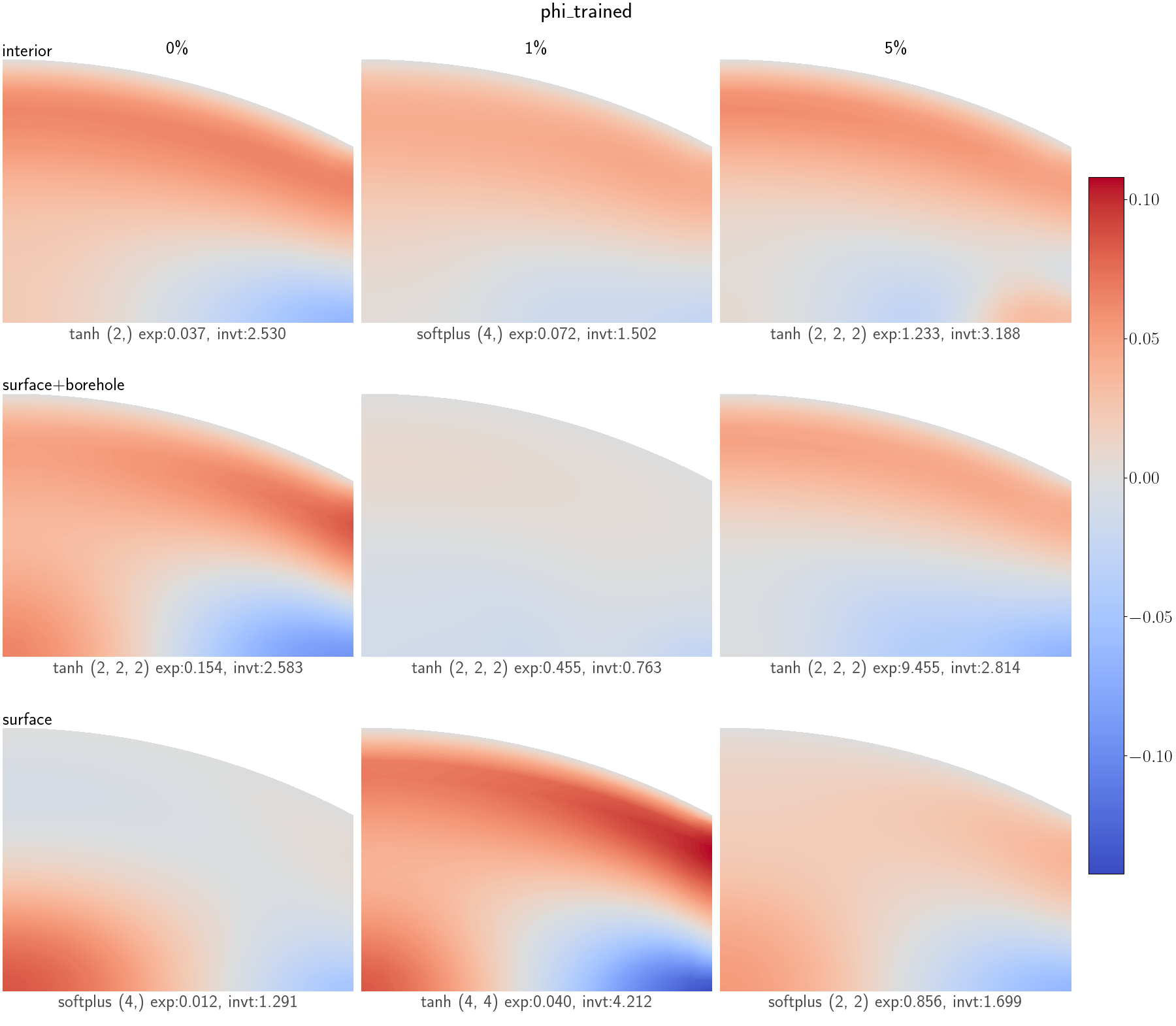
- Developed a software framework to enable training and testing complex CRs (constitutive relations) in material science.
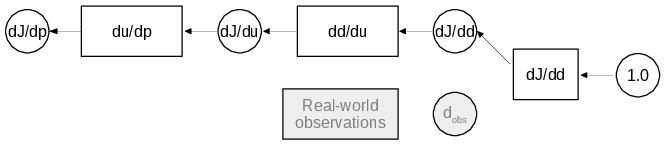
- Integrated automatic differentiation frameworks with Pyadjoint, thus allowing seamless use of diverse CR implementations.
- Investigated CR parametrizations that respect physical symmetries and invariants, thus increasing generalizability.
Code here